
If you're planning a few days on the island and fancy doing something truly special, few experiences come close to seeing dolphins and whales in their natural habitat. Whale watching in Gran Canaria isn't just "another plan": it's one of those moments that stays with you forever (and yes, often captured in your phone's photo gallery).
In this guide I tell you, in a clear tone and without exaggeration, what you can expect, what is the best time and how to increase the chances of seeing cetaceans if you go out by boat along the south coast.
Why Gran Canaria is such a good place to see dolphins and whales
Gran Canaria has a very favorable combination: deep waters relatively close to the coast, good weather for most of the year and a marine area with common presence of different species.
This translates into something very important for you as a traveler: you don't need to be an expert or go "far out to sea" to have a real chance of seeing marine life. Sometimes, the spectacle appears when you least expect it.
What cetaceans can be seen in Gran Canaria (the most common ones)
Typically, depending on the time of year and the day, the sighting will be of:
Dolphins (the most “sociable”)
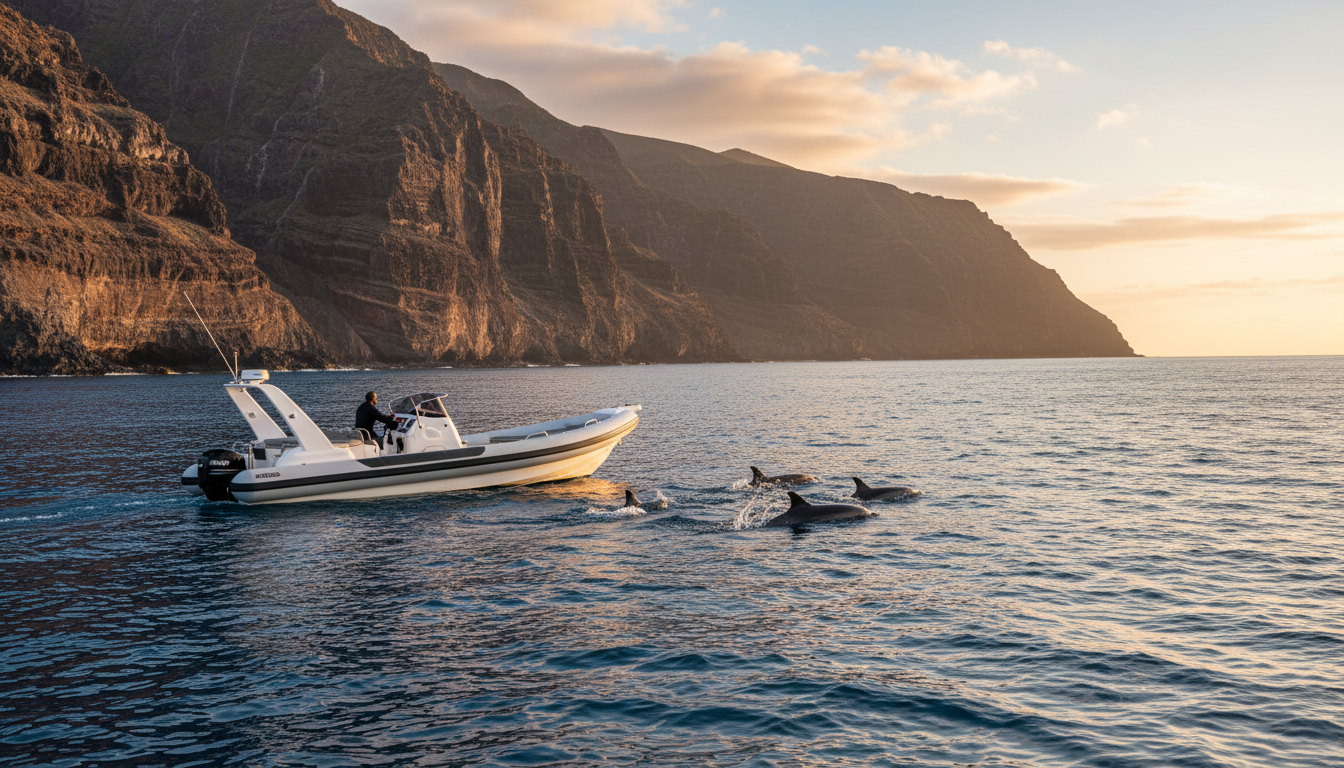
Dolphins are usually the most exciting attraction because of their behavior: jumping, approaching the bow, and moving in groups as a team. If you're visiting as a family, they're what usually generates an instant "wow" moment.
What to expect:
- Group sightings
- Quick and intense moments (they appear, they play, they move away)
- Occasionally, they approach the ship (without pursuing them)
Pilot whales and other "whales" (more tranquil, very impressive)
In the Canary Islands, it's also common to see species that visitors call "whales," although technically many people will see pilot whales or other large cetaceans. They are calmer: they surface to breathe, show their backs, and set a hypnotic rhythm.
What to expect:
- More leisurely sightings
- Time to observe and take photos calmly
- A feeling of enormous respect (they are large, imposing animals)
Important: Whale watching can never be guaranteed because they are wild animals. It's more accurate to talk about probabilities, not “guarantees”.

When is the best time for whale watching in Gran Canaria
Here's the best part: Gran Canaria is great almost all year round. Even so, there are some nuances:
Can you see dolphins and whales all year round?
In general, yes: there are resident or very frequent species. That's why many people search directly for "dolphin watching in Gran Canaria" without specifying a particular season.
Best time (in terms of sea and comfort)
If you're looking for the combination of best weather + gentlest sea + most comfortable experience, these tend to work especially well:
- Spring: pleasant weather, good visibility and less sea “movement” on many days.
- Summer: the star vacation plan (higher demand, it's advisable to book).
- Autumn: the weather is still good and it can be enjoyed with less saturation.
Winter can also be fantastic, but it depends more on the weather that day (wind, waves). If you come during those months, the key is to choose a trip with a good forecast.
What is the best time to go out to see whales and dolphins?
There is no "magic hour", but in my experience, if you want to be more comfortable and have a more pleasant feeling of the sea:
- Mornings: are usually a very good option because of the light and, often, milder conditions.
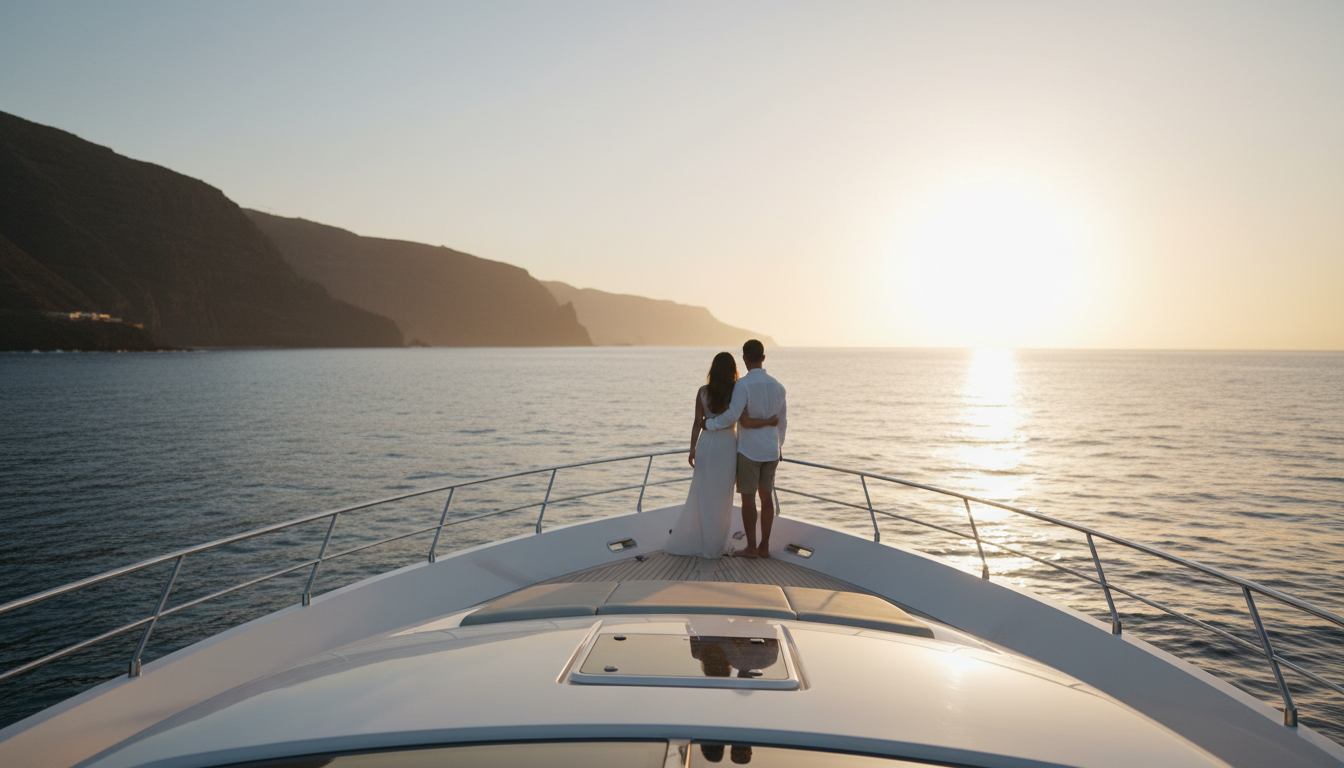
- Afternoons: ideal if you want to combine it with a more relaxed outing and, in some cases, end with sunset at sea (great plan).
Where the departures are from (southern zone: the most popular)
The south coast of Gran Canaria has many departure points for two reasons: it usually has more stable conditions and it is where a large part of the sea tourism takes place.
Usual departure areas (depending on the company/port):
- Puerto Rico
- Mogán
- Pasito Blanco / Meloneras
- Las Palmas (less common for "sun and beach" tourism, but possible)
If your accommodation is in the south, you should normally find it easy to board without long transfers.
What it feels like and what really “happens” during a sighting (without posing)
Let me describe it to you as it is: it's not a theme park. There's no epic music or script.
What usually happens is this:
- You leave the port and enjoy sailing (that alone makes it worthwhile).
- The crew observes signs: birds, movements, areas.
- At some point, someone says “there!” and the atmosphere changes.
- If there are dolphins, it can be a super intense scene lasting just a few minutes.
- If there are large cetaceans, the moment becomes almost silent.
And that's where the good stuff happens: you realize you're seeing real wildlife, in the Atlantic, off the coast of Gran Canaria.
Tips for enjoying yourself more (and avoiding feeling "dizzy")
Small details that make a big difference:
Qué llevar
- Sunscreen (it's stronger at sea)
- Cap / Sunglasses
- A light jacket (even though it's hot on land, it's cooler in the water)
- Water and something bland if you're sensitive (banana or crackers)
If you get dizzy easily
- Don't go on an empty stomach, but don't eat a heavy meal either.
- Stay in the central area of the ship (it tends to move less)
- Look at the horizon
- If possible, take your usual seasickness medication before boarding.
Photos and videos: how to take home a decent souvenir
An honest piece of advice: sometimes, the best photo is the one you don't take because you're too busy looking.
But if you want a good memory:
- Record a short video when dolphins appear (better than trying for "the perfect photo")
- Do not use extreme zoom (it shakes and loses quality)
- Take a “context” photo (sea + boat + people) and another of the animal if it comes close.
Responsible sighting: what you should demand (yes, demand)
A good sighting is not just about seeing animals: it's about seeing them properly.
Always look for companies that:
- Maintain adequate distance and speed
- Do not chase or corner
- Respect the observation time and do not overwhelm the animals.
- Have them explain what you are seeing (it gives you a lot of confidence).
This isn't just ‘eco’ posturing: it's what makes the experience more enjoyable and safer for everyone.
Is it worth doing it on a private yacht?
If you are looking for a more special experience (couple, family, celebration or simply zero stress), a private yacht changes the plan:
- More privacy and comfort
- More relaxed pace
- Possibility of combining sightseeing with swimming, snorkelling or sunset viewing.
- Ideal if you want to avoid crowded boats
If you are considering making a booking...
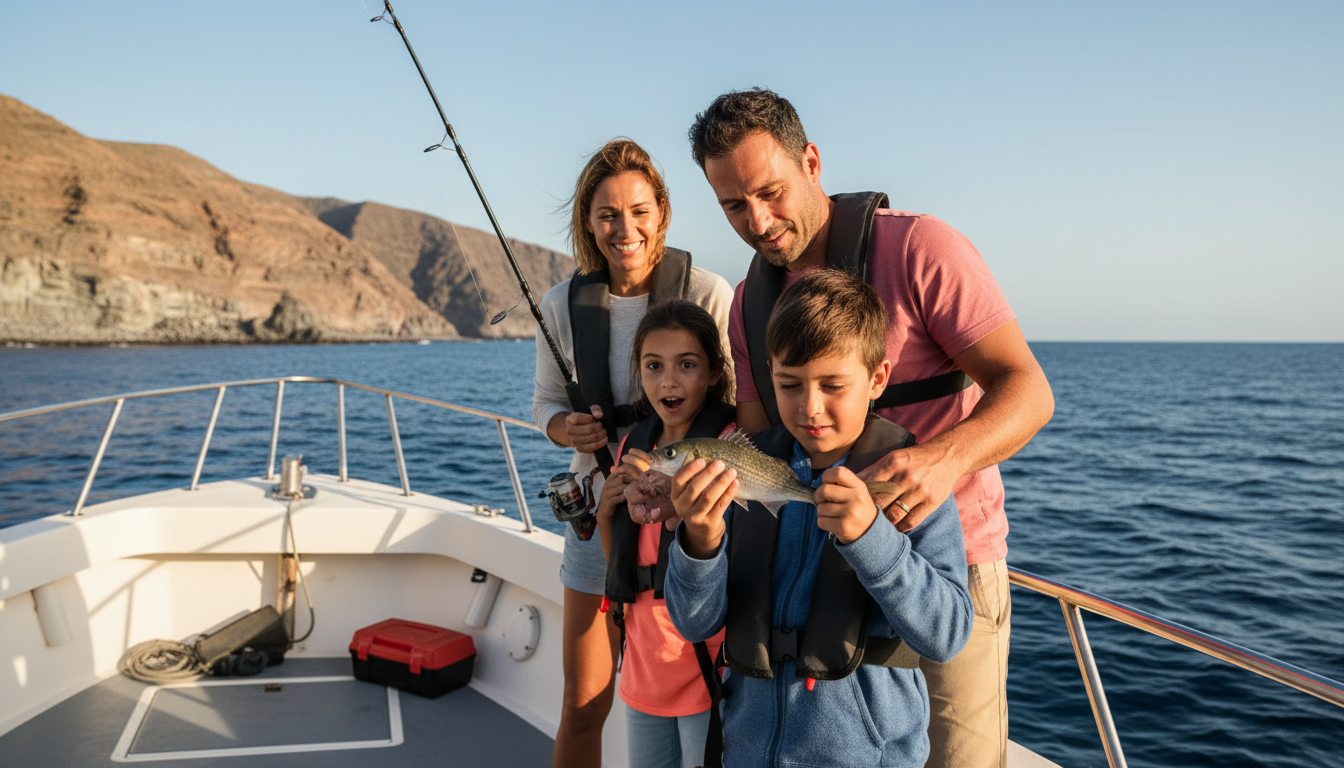
If you like, I can help you choose the ideal type of outing based on your plans (couple, family, fishing, celebration) and the area where you are staying.
What month are you coming and where are you staying (Maspalomas, Puerto Rico, Mogán, Las Palmas, etc.)? With that information, I can tell you what schedule usually works best and what type of experience is right for you.